Provincial tax
Saskatchewan Business Tax Rates for 2026
Saskatchewan business tax rates for 2026, including the 1% small business rate on the first $600,000, 6% PST and the provincial income brackets.
Sources checked October 20264 min read
Corporate tax rates in Saskatchewan
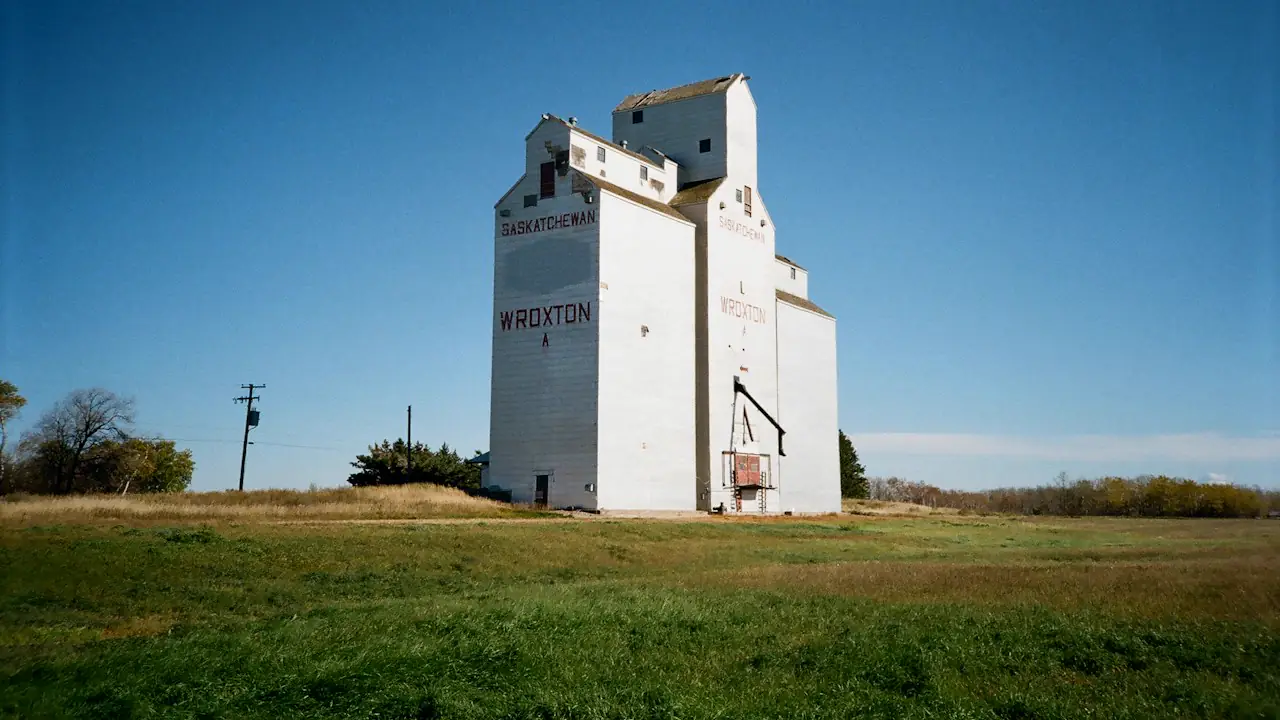
Saskatchewan taxes small business income at 1%, and it applies that rate to the first $600,000 rather than the federal $500,000. The general rate is 12%.
The gap between the two limits creates a middle band. On income between $500,000 and $600,000, a Canadian controlled private corporation pays the federal general rate of 15% but still only 1% to Saskatchewan, 16% in all, before both governments move to their general rates and the total reaches 27%.
| Rate | Saskatchewan | With federal tax |
|---|---|---|
| Small business rate | 1% | 10% |
| General rate | 12% | 27% |
| Income the small business rate covers | $600,000 | $500,000 federally |
Key points
- 10% combined on the first $500,000 of active business income
- 27% combined general corporate rate
- 5% GST plus 6% PST, filed separately with the province
- 16% combined on income between $500,000 and $600,000
Sales tax in Saskatchewan
Saskatchewan charges 6% PST on top of 5% GST. PST is registered and filed with the province, not the CRA, and there is no input tax credit for it, so the PST a business pays on its own purchases stays part of their cost.
PST returns are filed on a schedule the province assigns, and a business new to it should expect to register before its first taxable sale rather than after.
Saskatchewan income tax brackets for 2026
Three brackets make Saskatchewan one of the simplest systems in the country: 10.5% up to $54,532, 12.5% up to $155,805, and 14.5% above that.
Federal tax sits on top, so the combined top rate is 47.5%, one of the lower ones among the provinces.
| Taxable income from | Up to | Rate |
|---|---|---|
| $0 | $54,532 | 10.5% |
| $54,532.01 | $155,805 | 12.5% |
| $155,805.01 | No upper limit | 14.5% |
Payroll costs in Saskatchewan
There is no provincial payroll tax or employer health tax in Saskatchewan. Payroll costs are CPP, EI and income tax withholding through the CRA, plus workplace insurance through the Saskatchewan Workers' Compensation Board.
Filing in Saskatchewan
Saskatchewan corporate tax is calculated and paid through the federal T2, so a Saskatchewan corporation has one income tax return and one balance due date, set by the federal rules: two months after the year end, or three for many Canadian controlled private corporations.
PST is the provincial account most businesses add. For a farm, a contractor or a retailer it is often the account that takes the most care, because what is taxable depends on what was bought and how it is used.
Saskatchewan questions, answered
What is the small business tax rate in Saskatchewan?
10% combined on the first $500,000: 1% provincial and 9% federal. Income between $500,000 and $600,000 pays 16%.
Does Saskatchewan have PST?
Yes, 6%, administered by the province and filed separately from GST.
Is there a payroll tax in Saskatchewan?
No. Saskatchewan has no employer payroll tax or health levy.
More for Saskatchewan businesses
Official sources
Call or email and we will tell you which records we need and what the work costs, in writing, before anything starts.
Important. This article provides general educational information, not legal or tax advice for a specific business. Rules, administrative policies, rates and deadlines can change. Confirm your facts and current obligations with the responsible government agency and a qualified adviser.