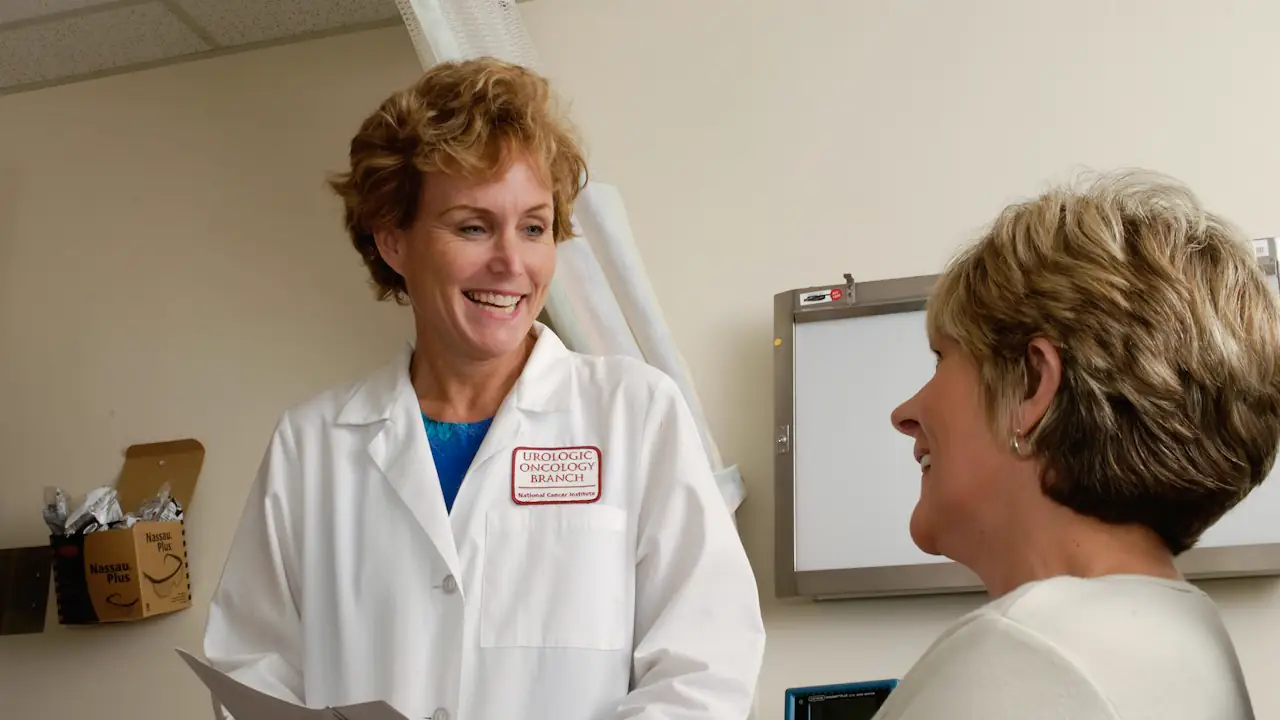
Industry tax guides
Taxes for Doctors and Dentists in Canada: GST and Professional Corporations
Exemptis the GST/HST status of most medical and dental services provided for medical reasons, which means no tax is charged and no input tax credits are claimed.
Sources checked October 20263 min read
GST/HST in a medical or dental practice
Most health, medical and dental services performed by licensed physicians or dentists for medical reasons are exempt supplies. No GST/HST is charged to patients, and the practice cannot claim input tax credits for the tax it pays on rent, equipment and supplies used to provide those services, so that tax is a cost of the practice. A practice that makes only exempt supplies generally cannot register at all.
The exemption follows the service, not the profession. A service that is not provided for medical reasons, such as a purely cosmetic procedure, does not fall within it, and a practice whose taxable supplies pass the small supplier threshold must register and charge GST/HST on them.
Key points
- Medical and dental services for medical reasons are exempt from GST/HST
- Practices cannot claim input tax credits on the costs of exempt services
- A professional corporation pays the small business rate, 9% federally, on the first $500,000 of active business income
- Shares of a professional corporation cannot be excluded shares, so TOSI limits dividends to family
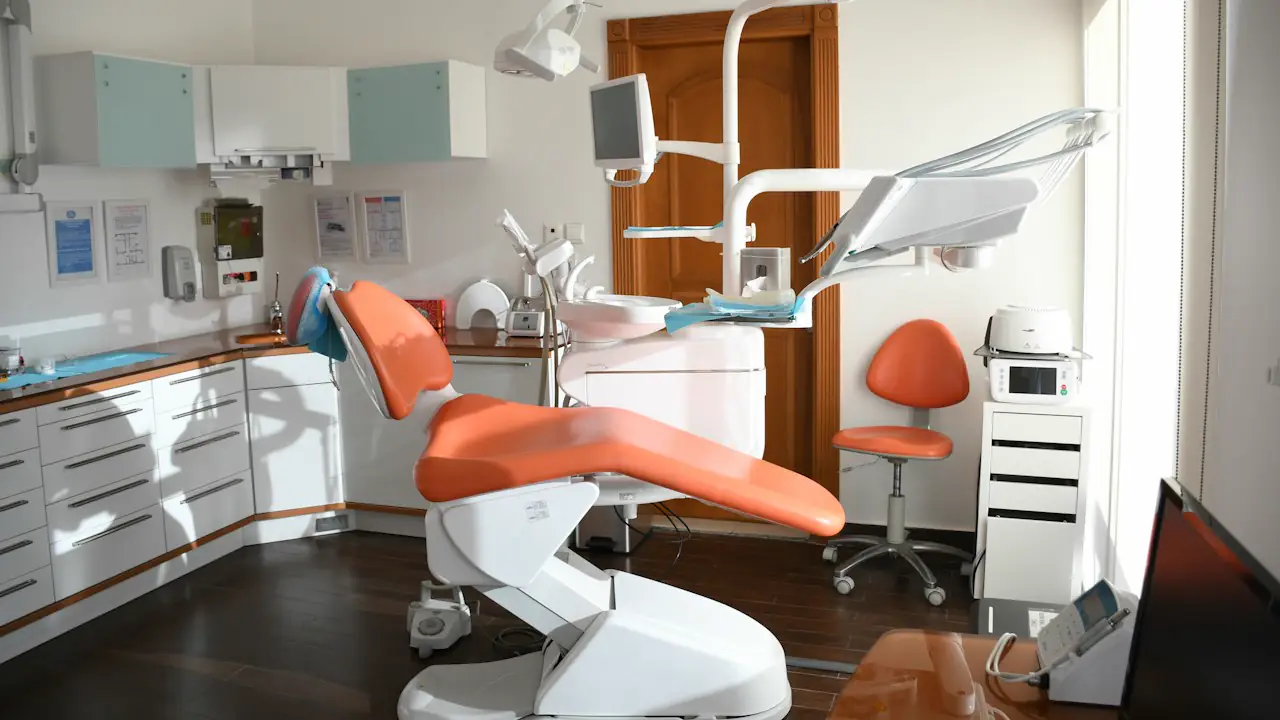
Professional corporations
Provincial regulators decide whether a physician or dentist may practise through a corporation and who may hold its shares. Where allowed, a professional corporation is usually a Canadian controlled private corporation, so its active business income qualifies for the small business deduction, 9% federally on the first $500,000 against 15% on income above it. Leaving after tax profit invested in the corporation defers personal tax, although passive investment income above a set level reduces the small business limit.
Paying family members
Tax on split income makes income sprinkling through a professional corporation hard. The excluded shares exception, which protects dividends to adult shareholders aged 25 or older who own at least 10% of a company, is not available for a professional corporation of an accountant, dentist, lawyer, medical doctor, veterinarian or chiropractor. Dividends to a spouse or adult child are taxed at the top rate unless another exclusion applies, such as a spouse when the professional is 65 or older, or a family member who works in the practice an average of 20 hours a week.
Quick answers
Do doctors charge GST?
Not on medical services provided for medical reasons, which are exempt. Services outside the exemption, such as purely cosmetic procedures, can be taxable.
Can a dental practice claim GST input tax credits?
Not for costs used to provide exempt dental services. A practice making only exempt supplies generally cannot register for GST/HST.
Can a doctor pay dividends to a spouse through a professional corporation?
Only with care. Shares of a professional corporation cannot be excluded shares, so dividends to family face tax on split income unless another exclusion applies.
Related pages
Official sources
Call or email and we will tell you which records we need and what the work costs, in writing, before anything starts.
Important. This article provides general educational information, not legal or tax advice for a specific business. Rules, administrative policies, rates and deadlines can change. Confirm your facts and current obligations with the responsible government agency and a qualified adviser.