Borrowing decisions
Compare Leasing With Buying Business Equipment
Put the full cash cost, end conditions and useful life of the equipment side by side before you sign.
Sources checked 3 min read
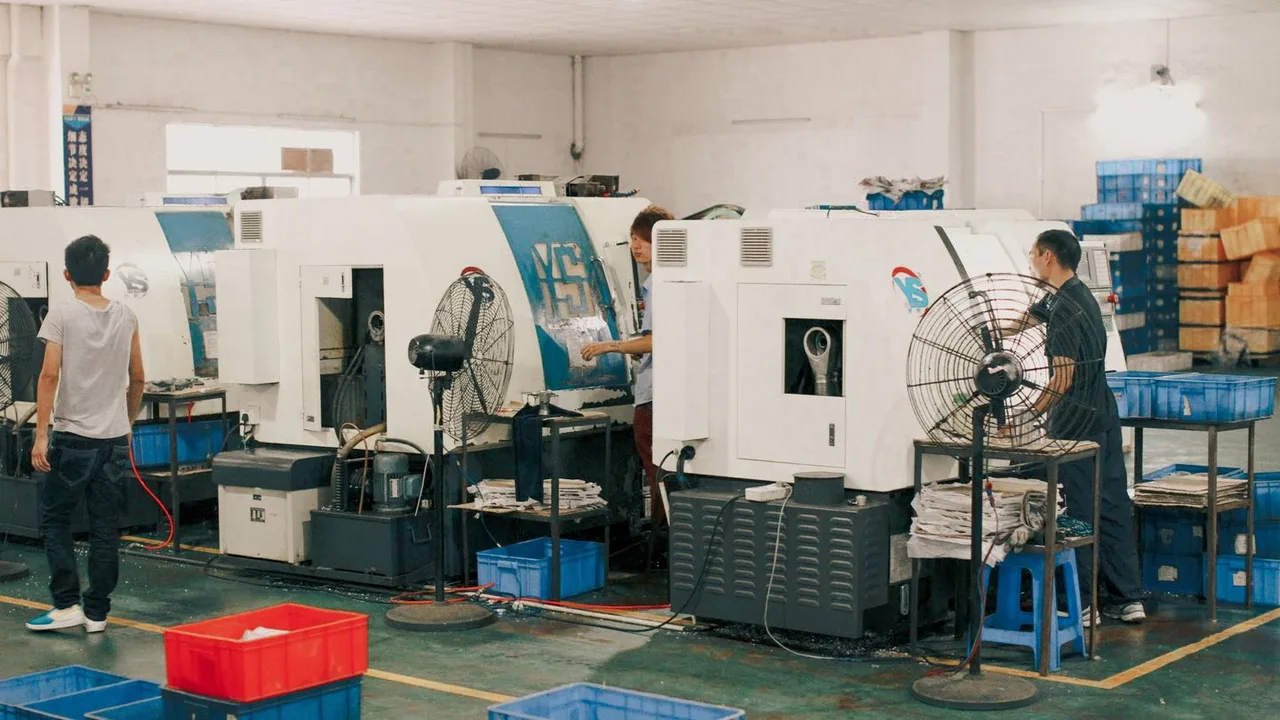
Photo by Mehmet Turgut Kirkgoz on Pexels
Key points
- Compare both quotes over the same useful period.
- Include the amount you pay when the agreement ends.
Start with the work the machine will do
Some equipment pays its way every day. Some is used only for a few seasonal jobs. Before comparing payments, estimate how long you are likely to need it and how hard it will be used. Ask what a breakdown would cost the business. A service arrangement, warranty or replacement option can have real value if it prevents you from cancelling jobs.
Ask each provider which costs are included. A lease might require a deposit or restrict how the equipment can be used. Buying might mean paying for delivery, setup, insurance and scheduled service. Compare the options over the same period and use the same assumptions about tax and service. Discuss tax treatment with your accountant for the agreement you are actually offered.
Follow the money through the final day
Imagine a machine is available for $24,000 cash. An alternative quote asks for $700 a month for 36 months, then $1,000 if you choose to keep it. The lease payments add to $25,200 and the buyout brings the total to $26,200 before other costs. This simple comparison leaves out the value of paying over time, possible resale value, tax effects and any service or fees. It shows which questions matter next.
If you would return the machine instead, ask about condition standards and return freight. A team that carries equipment to different job sites might face different wear from a shop that keeps it in one room. Read the early exit and repair rules. If your work changes after a year, find out whether you could return or replace the machine and what that would cost.
Match the option to the cash plan
Put the payment dates into the business calendar. A modest monthly amount can still be uncomfortable when most customer payments arrive in a different season. A cash purchase eliminates a monthly commitment and reduces cash available for inventory and wages. Figure out which trade matters more for your company. If the machine is financed with a loan, include fees, interest and the payment schedule in the comparison.
Check who has responsibility for service and what happens while a part is being repaired. A shop with a backup can accept more delay than a company with one machine supplying all its output. It may be worth pricing a separate backup plan so the owner can see what is included in each offer.
Keep a copy of the terms and the assumptions that led to your choice. When the agreement is due for renewal, the comparison will be easier if you can start with what the equipment really cost to use.
A question you may have
What if I am unsure how much I will use the equipment?
A short rental can give you evidence about actual hours. Compare what you learn with the use assumed in the purchase and lease quotes before making a longer commitment.
Official sources

Talk with HBT Accounting
Meet Husain Haroun, CPACall or email and we will tell you which records we need and what the work costs, in writing, before anything starts.
Important. This article provides general educational information, not legal or tax advice for a specific business. Rules, administrative policies, rates and deadlines can change. Confirm your facts and current obligations with the responsible government agency and a qualified adviser.