Purchasing and stock
When a Larger Supplier Order Costs More
Compare a lower unit price with storage, slower sales and cash that must stay in stock.
Sources checked 3 min read
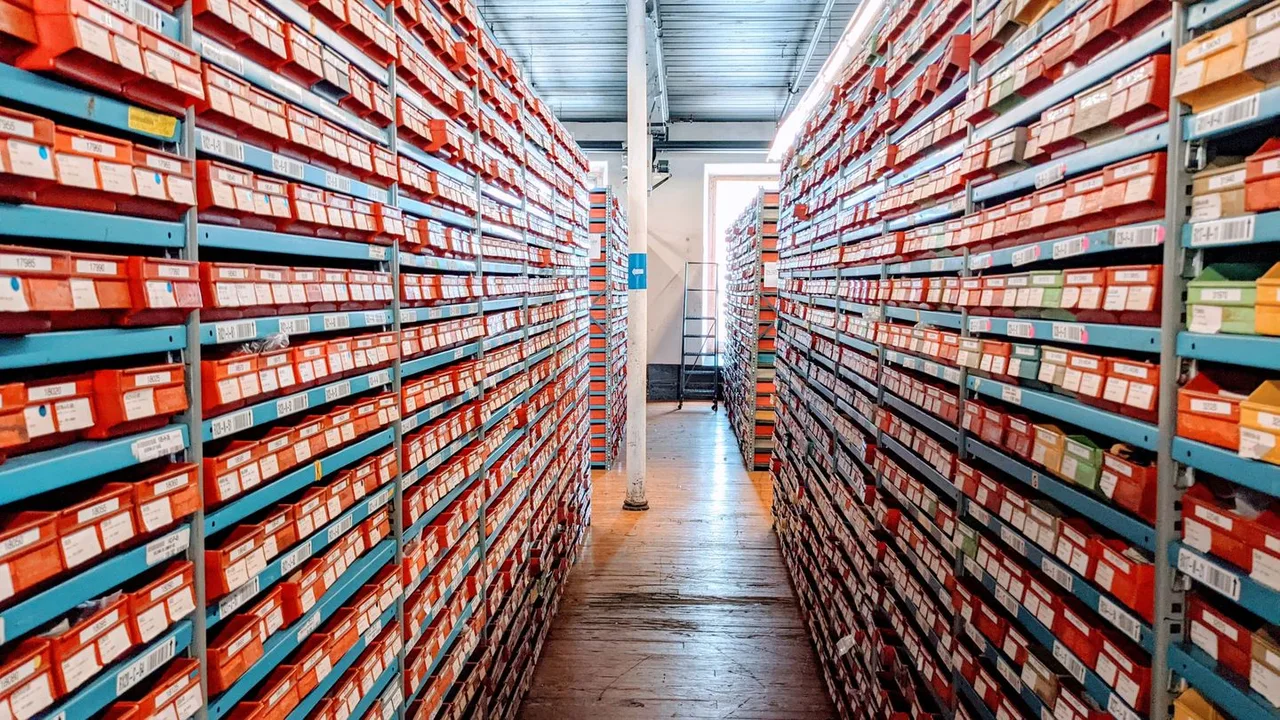
Photo by Charlie Merrow on Pexels
A better unit cost can mean a worse order
One supplier offers 120 units at $9 each if you buy a full case shipment. Another offers 60 units at $10 each. The first saves a dollar on every unit sold but needs $1,080 at the start. The smaller order uses $600. The immediate cash difference is $480. That money may matter more than the unit discount if sales are slow or another bill is due.
Ask what determines the larger minimum. Sometimes it is how goods are packed, a freight discount, or a price tier. You may be able to combine items you sell at different speeds, schedule two deliveries or arrange a shorter payment cycle without giving up the price. Look at which part of the offer helps you before agreeing to the whole order.
Key points
- Compare order totals as well as unit prices.
- Value the cash commitment and the risk of unsold goods.
Use a realistic selling window
Suppose the shop expects to sell 60 units before changing the display. At that point the larger order leaves another 60 in stock. If the shop sells them later at the regular price, the lower unit cost can still pay off. If the rest has to be cleared at a much lower margin, the initial discount can disappear. Make a normal estimate and a slower sales estimate.
Include the little costs that only arise with the larger order. A seasonal item may need overflow storage, insurance or someone to move and count it. Some goods can expire or lose their value after an event. A retailer may need more space for another item that sells faster. You can capture that trade by recording what would use the shelf if the slow stock were gone.
See what happened to the sell through
Start with the quantity that sold by the next order date. Track it separately from gifts, damage and transfers so the number reflects purchases by customers. Write down any items marked down and why. If the higher quantity works in the busy period but falls short later, ask for two purchasing terms rather than using the same minimum all year.
Make a rule for who can approve an exception. A good record might say you accepted the minimum because a customer had already committed to a large order. Another could say you paid the higher unit cost to keep cash available for payroll. Both decisions can be reasonable for the circumstances.
When comparing the next offer, bring those notes. Real sales over the last cycle are a better starting point than what either supplier hopes you will sell.
A question you may have
Can I compare the larger order against borrowing?
Ask what you would otherwise do with the extra cash. If the choice forces borrowing, use the rate and fees you would actually pay and the time the additional units may stay unsold. Carrying extra stock can still make sense if customers have already committed to buy it.
Official sources

Talk with HBT Accounting
Meet Husain Haroun, CPACall or email and we will tell you which records we need and what the work costs, in writing, before anything starts.
Important. This article provides general educational information, not legal or tax advice for a specific business. Rules, administrative policies, rates and deadlines can change. Confirm your facts and current obligations with the responsible government agency and a qualified adviser.