Industry tax guides
Restaurant Taxes in Canada: Tips, GST on Food and Kitchen Equipment
Controlled tipsgo through payroll with CPP and EI deducted, while direct tips stay with the employee and are reported on their own return.
Sources checked October 20263 min read
Key points
- Tips the employer controls, such as service charges and employer run tip pools, need CPP and EI
- Direct tips are not pensionable or insurable, but employees must still report them
- Restaurant meals carry GST/HST even though basic groceries are zero rated
- The 50% meal limit does not apply to food a restaurant sells to customers
Controlled tips and direct tips
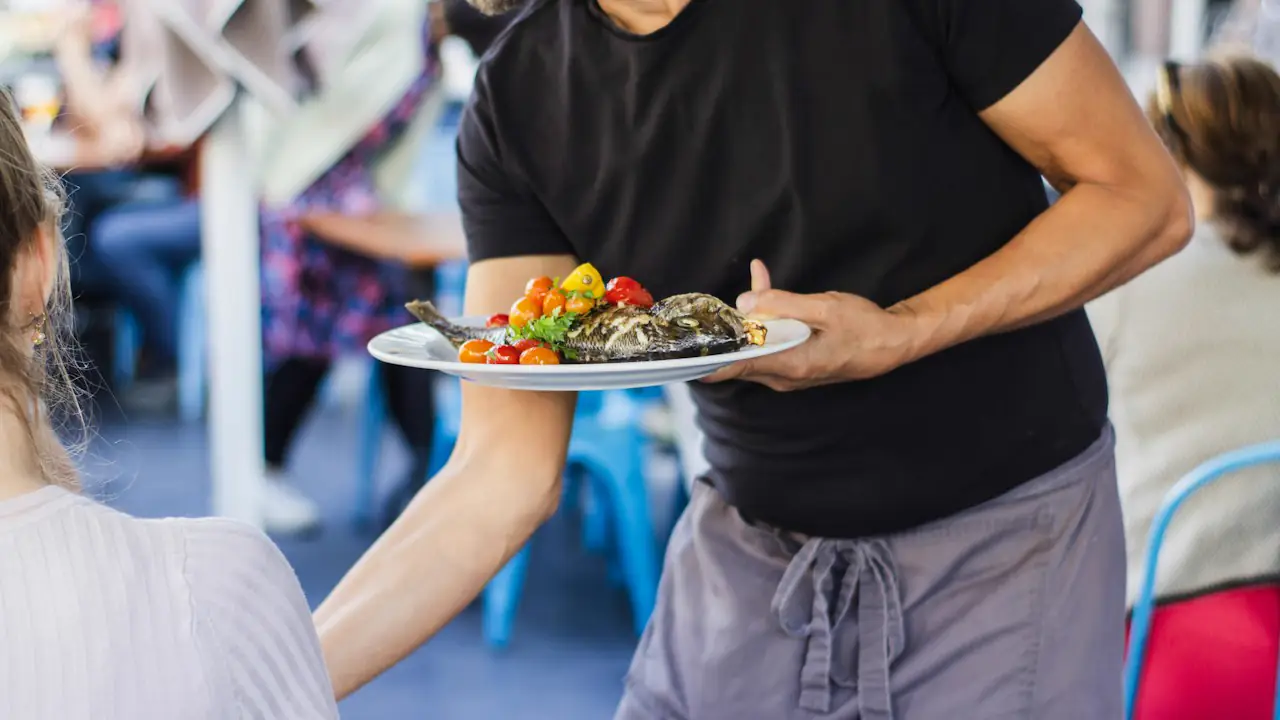
All tips are taxable income to the employee. The difference is who handles them. Controlled tips are tips the employer controls and then pays out: a mandatory service charge, a percentage added to the bill, tips shared under a formula the employer sets, or card tips deposited into the employer's account and paid out later. They are part of pay, so the employer deducts CPP contributions and EI premiums and reports them on the T4.
Direct tips go from the customer to the employee with the employer acting only as a conduit: cash left on the table, tips pooled and shared by the staff themselves, or card tips handed back in cash at the end of the shift. No CPP or EI is deducted, the employee reports them on their own return, and they can choose to contribute to CPP on them with Form CPT20. Quebec has its own rules for declared tips.
GST/HST on food and drink
Basic groceries such as milk, bread and vegetables are zero rated, but the relief is narrow. Soft drinks, candy and chips are taxable, and meals a restaurant prepares and serves are taxable at the full rate for the province. Because a restaurant charges GST/HST on its sales, it claims input tax credits for the GST/HST it pays on supplies, equipment and other business costs.
The usual 50% limit on meals and entertainment does not apply to a business that regularly provides food and beverages to customers for payment, so the cost of food sold is fully deductible.
Inventory and kitchen equipment
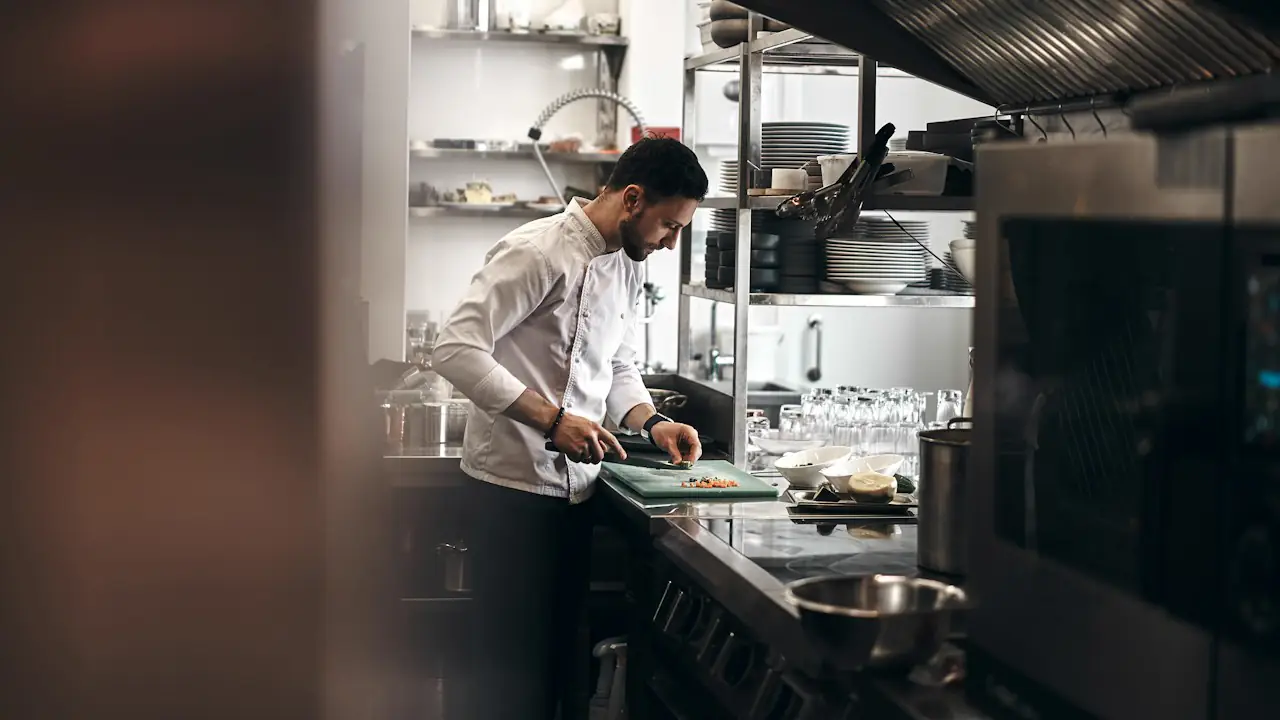
Food and beverage inventory is counted at year end and the cost of goods sold calculated from it. Kitchen equipment such as ranges, refrigeration and furniture goes in Class 8 at 20%, while kitchen utensils costing less than $500 each are in Class 12 at 100%, so they are written off in the year they are bought. A renovation of newly leased premises before opening is capital; repairs that keep an existing kitchen running are current.
Quick answers
Do restaurants deduct CPP and EI from tips?
From controlled tips, yes: those that the employer controls and pays out. Not from direct tips that pass from customer to employee without the employer's control.
Is a restaurant meal taxable when groceries are not?
Yes. Basic groceries are zero rated, but meals prepared and served by a restaurant are taxable at the full GST/HST rate.
Can a restaurant deduct 100% of its food costs?
Yes. The 50% meal limit does not apply to a business that regularly provides food and beverages to customers for payment.
Related pages
Official sources
Call or email and we will tell you which records we need and what the work costs, in writing, before anything starts.
Important. This article provides general educational information, not legal or tax advice for a specific business. Rules, administrative policies, rates and deadlines can change. Confirm your facts and current obligations with the responsible government agency and a qualified adviser.